How Winter Weather in Northern Nevada Damages Your Roof (And What to Check Before Spring)
January 28, 2026
Winter in Northern Nevada is beautiful, but it can be hard on your home. Roof winter damage is one of the most common issues homeowners in Reno, NV and Sparks, NV face once the snow melts and temperatures begin to rise. Many problems develop quietly during the colder months and only become noticeable when leaks, stains, or structural issues appear in spring.
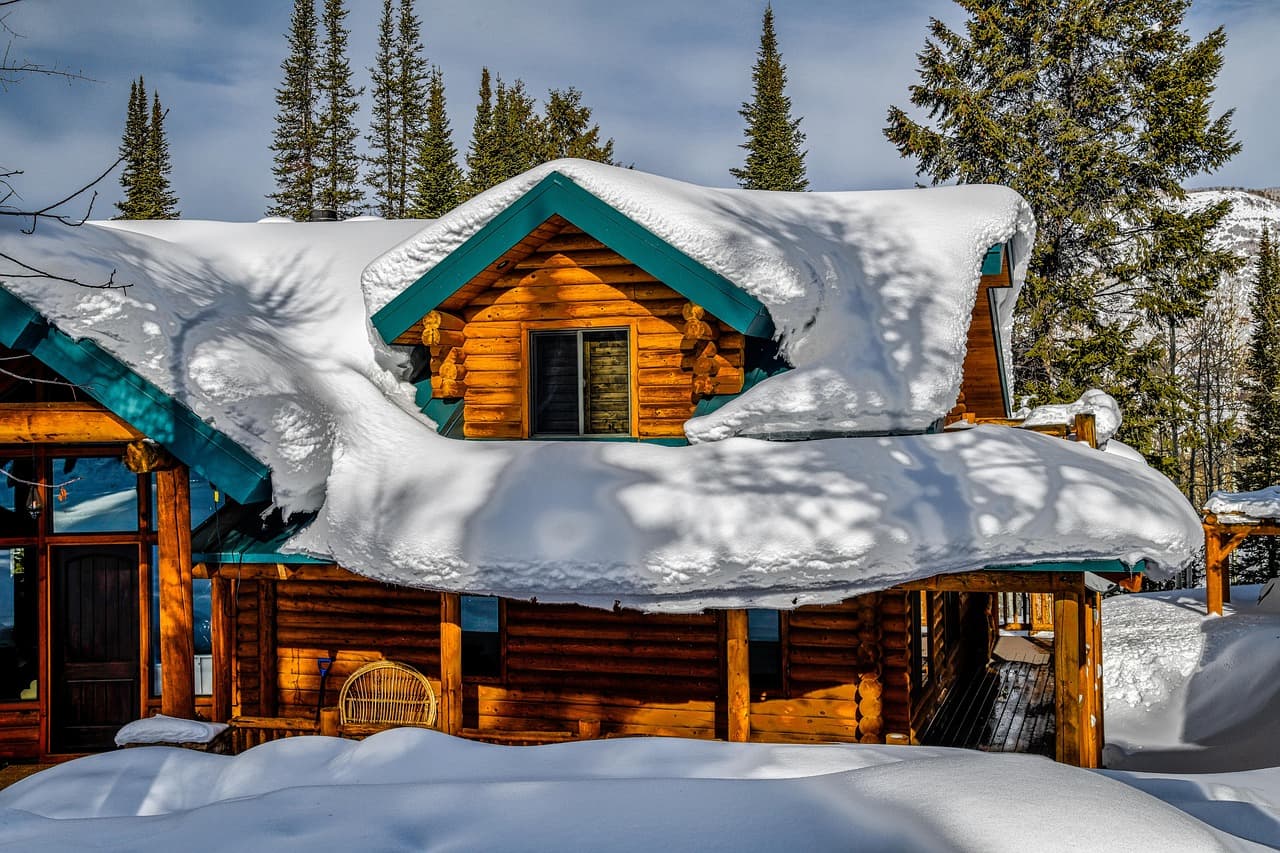
Understanding how Nevada winter weather affects your roof helps you protect your investment and avoid costly repairs. It also helps you know when to schedule a professional roof inspection after winter.
How Roof Damage From Snow Impacts Homes in Reno and Sparks
Roof damage from snow is not always dramatic or obvious. Even moderate snowfall can create problems when it sits on roofing materials for extended periods. Heavy snow damage to roof systems often occurs because of weight stress and moisture retention.
Snow adds significant load to your roof structure. While most roofs are designed to handle normal winter conditions, repeated storms and lingering snowpack can strain decking, framing, and fasteners. Over time, this stress can contribute to subtle structural movement that weakens roofing components.
Snow also traps moisture against shingles. When temperatures fluctuate during typical Northern Nevada freeze-thaw cycles, snow melts during the day and refreezes at night. This cycle slowly works moisture under shingles and around flashing, increasing the risk of winter roof leaks.
Roof Damage From Ice and Why It Worsens Over Time
Roof damage from ice is often more destructive than homeowners realize. Ice forms when melting snow refreezes along roof edges, in valleys, and around penetrations like vents and chimneys. This repeated freezing creates pressure that lifts shingles, cracks sealants, and loosens flashing.
Roof damage from snow and ice often develops gradually. Small gaps allow water intrusion that may not appear inside the home until months later. By the time stains appear on ceilings or walls, damage beneath the surface may already be extensive.
Roof damage from freezing temperatures also affects the materials themselves. Asphalt shingles can become brittle in extreme cold. Cracked shingles from cold are common after harsh winters, especially on older roofs. Curling shingles in winter are another sign that materials are losing flexibility and nearing the end of their service life.
Roof Damage From Ice Dams and Why They Are Dangerous
Roof damage from ice dams is one of the most serious winter-related problems for Washoe County homes. Ice dams form when warm air from the attic melts snow on the upper roof surface. That melted water flows downward and refreezes near the colder eaves, creating a thick ridge of ice.
As ice dam roof damage develops, water becomes trapped behind the ice barrier. That water has nowhere to go except back under the shingles. This often leads to hidden moisture intrusion, damaged insulation, soaked decking, and interior leaks.
Ice dam roof damage is especially common in homes with attic moisture problems or roof ventilation issues in winter. Poor ventilation allows warm air to build up in the attic, which accelerates snow melt and worsens ice dam formation.
Why Freeze-Thaw Roof Damage Is Common in the High Desert Climate
The high desert climate in Reno homeowners and Sparks homeowners experience includes frequent temperature swings. Days may warm above freezing while nights drop well below it. These freeze-thaw cycles are one of the most damaging forces on roofing systems.
Freeze-thaw roof damage occurs when moisture seeps into tiny cracks and gaps. When that moisture freezes, it expands. Repeated expansion slowly widens those openings. Over time, this leads to deteriorated shingles, loosened flashing, and compromised underlayment.
Roof damage from freezing temperatures is often invisible from the ground. That is why many homeowners are surprised by the extent of damage discovered during a professional roof inspection in spring.
Signs of Roof Damage After Winter That Homeowners Should Watch For
Knowing how to tell if roof was damaged by winter allows you to act early. The signs of roof damage after winter are not always dramatic, but they are important.
Common warning signs include missing or lifted shingles, visible cracking or curling, granules collecting in gutters, and sagging areas on the roof surface. Inside the home, water stains on ceilings, peeling paint, musty odors, and attic dampness can all indicate winter roof leaks.
Some homeowners notice higher energy bills in early spring. This can be a sign of insulation damage caused by hidden moisture intrusion. When insulation becomes wet, it loses effectiveness and allows heat loss.
If you notice any of these issues, it is time to schedule a professional roof inspection.
Why a Roof Inspection After Winter Is So Important
A roof inspection after winter is one of the most valuable steps you can take to protect your home. Many types of snow damage to roof systems develop out of sight. By the time visible leaks appear, the underlying structure may already be compromised.
A professional roof inspection allows trained eyes to identify early-stage problems. Minor flashing issues, small cracks, or early ice dam damage can often be repaired quickly and affordably when caught early. Delaying repairs often leads to larger, more expensive problems.
Residential roof inspection services also help homeowners plan ahead. If your roof is aging or showing signs of widespread wear, an inspection provides clarity so you can budget responsibly rather than being caught off guard by emergency repairs.
How to Prevent Winter Roof Damage Moving Forward
While winter weather cannot be controlled, proactive steps significantly reduce future risk. How to prevent winter roof damage starts with regular inspections and ongoing seasonal roof maintenance.
Proper attic ventilation and insulation help prevent ice dam formation. Keeping gutters clear allows melting snow to drain properly. Addressing small repairs quickly prevents water from finding pathways into vulnerable areas.
Scheduling routine roof inspections with a trusted local roofing contractor ensures that your roof remains prepared for future seasons. Preventative care is always less expensive than major repair or replacement.
Why Professional Roof Inspections Are Safer Than DIY Checks
Many homeowners consider climbing a ladder to check their roof. However, professional roof inspection services provide far more than a quick visual glance. Trained inspectors understand where roof winter damage typically hides and how to identify subtle warning signs.
Roof surfaces can also be hazardous after winter. Loose shingles, slick areas, and unstable edges increase fall risk. Professional inspectors have the training and equipment to safely evaluate your roof while protecting both your safety and your property.
Trust Scott Roofing for Roof Protection Across Northern Nevada
Scott Roofing has served Reno, NV, Sparks, NV, and Northern Nevada homeowners since 1948. Their long-standing experience with mountain weather conditions, Sierra snowpack, and the region’s intense freeze-thaw cycles gives them unique insight into what local roofs truly endure.
Homeowners throughout Washoe County trust Scott Roofing for honest evaluations, thorough inspections, and reliable repairs. Their team understands that protecting your roof means protecting your home, your comfort, and your long-term investment.
If you are concerned about roof winter damage or simply want peace of mind after the winter season, scheduling a professional roof inspection is one of the smartest steps you can take.
For all your roofing needs in Reno, Scott Roofing provides professional roofing services to residential and commercial property. For more information contact Scott Roofing at 775-331-5090.