Roof Leaking After a Storm in Reno? What Homeowners Should Do Immediately
March 4, 2026
Storms in Reno, NV and Sparks, NV can arrive quickly and leave behind damage that is not always obvious from the ground. High winds, heavy rain, snow accumulation, and sudden temperature swings in Northern Nevada can all contribute to a roof leaking after storm conditions, even if shingles appear to be intact.
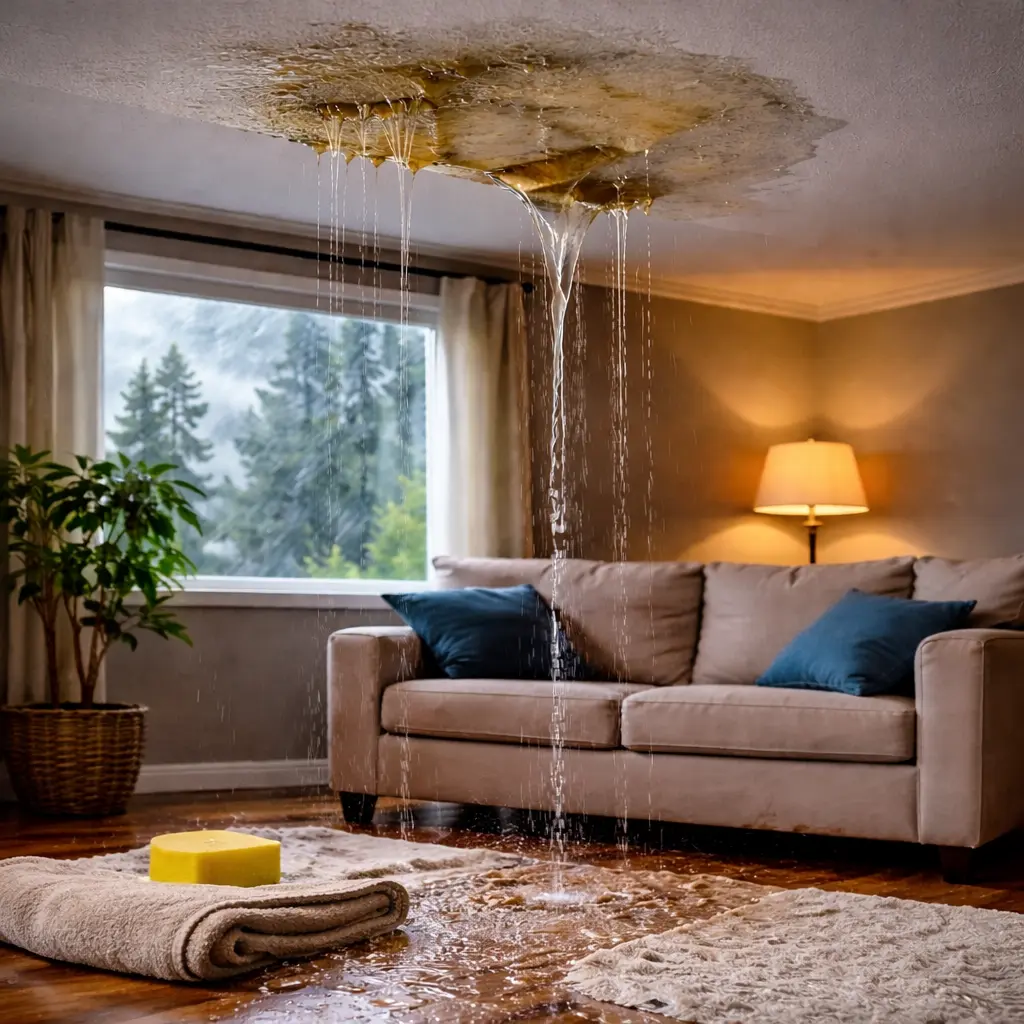
Many Reno homeowners notice a roof leak after storm activity hours or days later, when melting snow, rainwater, or weakened roofing materials allow moisture to enter the home. Understanding why leaks appear after storms and knowing what steps to take can help limit damage and protect your home.
Scott Roofing has served Reno homeowners and Sparks homeowners since 1948. Our team understands how Northern Nevada weather, including strong winds, heavy snow, and rapid freeze thaw cycles, can affect roofing systems. In this guide we will explain why roofs start leaking after storms, warning signs of storm damage, what to do immediately, and when to schedule a roof inspection.
Why Roofs Start Leaking After a Storm
A roof can look fine from the street and still develop hidden vulnerabilities after a storm. Wind gusts can lift the edges of shingles and weaken the adhesive seals that keep them secured to the roof surface. Once these seals break, water can push beneath shingles during rain or snow melt.
Storm movement can also loosen flashing around chimneys, vents, skylights, and roof valleys. Flashing is designed to guide water away from vulnerable areas of the roof, but shifting materials can create small gaps where water begins to enter.
In Reno winter storms, leaks may appear after the storm passes. When snow melts during warmer daytime temperatures and refreezes overnight, water can seep into weakened areas of the roofing system. These small openings can eventually allow moisture to travel into attic spaces and ceilings.
Common Signs of Storm Damage on a Roof
Many homeowners assume storm damage only occurs when shingles are missing. In reality, the early signs are often subtle and appear inside the home first. Watch for these warning signs:
- Water stains appearing on ceilings or upper walls
- Bubbling paint or soft drywall surfaces
- Damp insulation or musty odors in the attic
- Dripping water during rain or snow melt
- Excess shingle granules collecting in gutters
Outside the home you may also notice lifted shingles, small debris around the yard, or sections of gutter pulling away from the roofline. These signs often indicate storm related roof damage that should be inspected by a professional.
What To Do If Your Roof Starts Leaking After a Storm
Discovering a roof leak can feel stressful, but taking a few simple steps can reduce interior damage while you arrange for a professional inspection.
- Place containers or towels under the leak to collect water
- Move furniture and valuables away from the affected area
- If a ceiling bubble forms, carefully release trapped water into a container
- Use fans or a dehumidifier to reduce moisture inside the room
- Check the attic for damp insulation if it is safe to do so
Avoid climbing onto the roof yourself after a storm. Wet shingles, debris, and wind conditions can make roof surfaces extremely dangerous. A professional roof inspection is the safest way to locate the source of a leak.
Temporary Ways to Reduce Damage Until Repairs Are Made
Temporary steps can help control interior water damage, but they do not solve the underlying roofing issue. Interior patching alone cannot stop water from entering the roofing system.
In some cases, temporary roof tarping may be recommended if the leak is active and additional storms are expected. Tarping should be installed by experienced professionals who can secure it safely and prevent further damage to roofing materials.
When to Schedule a Roof Inspection After a Storm
Not every storm will damage a roof, but certain conditions increase the risk. Scheduling a roof inspection after storm conditions is recommended if:
- Wind gusts were strong enough to move outdoor furniture or tree branches
- You notice new interior stains or attic moisture
- Roof debris or shingle granules appear around your property
- Your roof is older or has a history of repairs
A professional inspection can identify lifted shingles, flashing separation, drainage issues, and other problems that could eventually lead to a roof leak.
Does Insurance Cover Roof Leaks After Storm Damage?
Many homeowners ask whether insurance will cover roof repairs after storm damage. Coverage often depends on the cause of the damage and the overall condition of the roof before the storm occurred.
Wind damage and sudden weather related events are commonly covered under many homeowner policies. However, issues related to age or lack of maintenance may not qualify. A professional inspection can help document storm damage if you plan to contact your insurance provider.
Protecting Your Home After Storm Damage in Reno
Storms are a normal part of life in Reno and Sparks, but even short wind events can weaken roofing systems. Addressing small issues early helps prevent larger structural problems later.
Scott Roofing has helped homeowners across Northern Nevada protect their homes through dependable inspections, repairs, and roof replacement services since 1948. If your roof is leaking after a storm or you suspect hidden damage, scheduling a professional inspection can help you move forward with confidence.
For all your roofing needs in Reno, Scott Roofing provides professional roofing services to residential and commercial property. For more information contact Scott Roofing at 775-331-5090.