Roof Inspection After a Storm in Reno: What to Check After Heavy Snow
February 20, 2026
After a big winter storm in Reno, NV, it is normal to look up at your roof and wonder if everything is still okay. Even if you do not see a leak, a roof inspection after storm conditions can help uncover hidden issues caused by heavy snow, wind, and freeze thaw cycles in Northern Nevada. Many roofing problems start small, then show up later as water stains, sagging, or a leak when snow begins to melt.
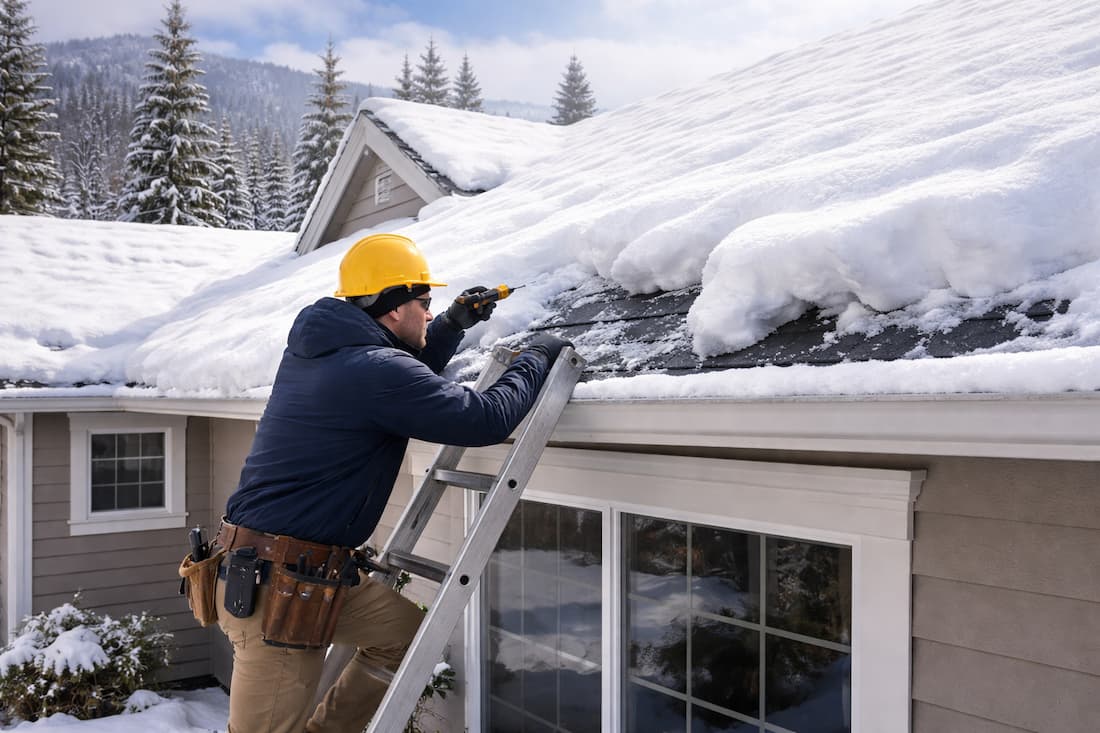
Scott Roofing has served Reno homeowners and Sparks homeowners since 1948. We understand how Sierra snowstorms and high elevation roofing conditions affect roof performance in Washoe County homes. In this guide, we will explain what to check after heavy snow, how snow load on roof systems creates stress, and when an emergency roof inspection may be the safest next step.
Do You Need a Roof Inspection After Heavy Snow?
In many cases, yes. A roof can look fine from the ground while still experiencing roof structural stress from snow, shifting, and refreezing. A roof inspection after storm conditions is a smart idea if your home experienced any of the following:
- Heavy snow accumulation on roof surfaces, especially if it lingered for days
- Strong winds that can lift shingles, loosen flashing, or push drifting snow into vulnerable areas
- Rapid temperature changes that create repeated freeze thaw cycles in Northern Nevada
- Older roofing materials, prior repairs, or a roof that has not been inspected recently
Even when there is no obvious collapse, heavy snow roof damage can show up later as a roof leak after snow melts. Inspections help you catch problems early, before moisture spreads into insulation, drywall, or framing.
How Heavy Is Snow on a Roof in Reno?
Homeowners often ask, how heavy is snow on a roof? The answer depends on the type of snow and how it changes over time. Fresh powder is lighter, while wet snow and compacted snow can become much heavier. Snow weight on roof surfaces increases after melting and refreezing, which is common during sunny days and cold nights in Northern Nevada.
Wind can also create drifting that concentrates snow weight in specific areas, such as roof valleys, lower roof sections, and around chimneys or dormers. Uneven snow load on roof structures is often more concerning than the total depth alone.
How Much Snow Can a Roof Hold Before Damage Occurs?
Another common question is, how much snow can a roof hold? There is no single number that applies to every home. Roof snow load limits vary based on the structure, roof design, materials, and snow load requirements in Reno at the time the home was built.
Most modern homes are designed for local code requirements, but Washoe County homes vary widely. Older homes, flat or low slope roofs, and roofs with existing weak points may be at higher risk of roof damage after snowstorm conditions. If you are unsure, a professional roof inspection Reno homeowners trust can assess risk and confirm whether your roof is performing as designed.
What to Check After a Storm Without Getting on the Roof
This article is not a DIY guide for climbing on your roof. That is not safe after a snowstorm. Instead, here are a few practical things homeowners can check from safe locations:
- Ceilings and walls: Look for new stains, bubbling paint, or drywall soft spots, especially near exterior walls.
- Attic moisture: If you can safely access your attic, look for damp insulation, darkened wood, or musty odors. Attic moisture after snowstorm conditions often appears before visible leaks.
- Gutters and downspouts: Look for pulling, bowing, or separation. Ice and snow roof damage often shows up where water should be draining.
- Roofline: From the street or yard, watch for changes in straight lines, dips, or uneven sections that could indicate roof sagging after snow.
- Falling debris: Shingle granules, metal flashing pieces, or broken gutter parts can be a clue that wind or snow shifted something loose.
These checks do not replace a professional inspection, but they help you decide when to call a roofer.
Warning Signs of Roof Damage After a Storm
Many homeowners only look for leaks, but warning signs of roof damage can include structural stress and subtle changes. Watch for:
- Roof sagging after snow, or a noticeable dip in the roofline
- New ceiling cracks, drywall separation, or nail pops
- Doors or windows suddenly sticking, especially on upper floors
- New water stains that appear after snow begins to melt
- Unusual creaking, popping, or shifting sounds
If you notice roof sagging after snow or hear structural noises, avoid attic spaces and do not climb on the roof. That is the time to schedule an emergency roof inspection.
When Should You Schedule an Emergency Roof Inspection?
Not every post storm roof check is an emergency, but some situations should be treated as urgent. An emergency roof inspection is recommended if:
- Water is actively leaking into the home
- There is sudden or worsening roof sagging from snow
- You hear cracking or shifting noises from the attic or ceiling
- You see visible structural movement, such as bowed framing or new gaps in interior finishes
If the situation is less urgent, scheduling a roof inspection after storm conditions is still a wise move. The goal is to identify roof damage after snowstorm events before small issues become expensive repairs.
When Should Snow Be Removed From a Roof?
In some cases, snow removal can reduce risk, especially on flat roofs, older structures, or roofs with known structural concerns. However, it is important to avoid unsafe DIY roof snow removal. Snow covered roofs can hide ice, weak areas, and drop offs.
The safest approach is to schedule an inspection first. A professional can evaluate snow load on roof structures and recommend whether removal is appropriate, and if so, the safest method to protect both the homeowner and the roof surface.
Why Professional Roof Inspections Matter in Northern Nevada
Reno and Sparks experience a mix of heavy snow, strong sun exposure, and frequent freeze thaw cycles in Northern Nevada. That combination can loosen flashing, drive water into small openings, and create ice buildup at vulnerable edges. Even if there is no obvious damage from the ground, hidden issues can exist under shingles, around penetrations, and in roof valleys.
A professional roof inspection after storm conditions typically includes checks for wind lifted materials, flashing separation, ice and snow roof damage patterns, drainage problems, and early signs of structural stress. This is especially valuable for high elevation roofing areas where snow loads can be heavier and temperature swings are larger.
Plan Ahead Instead of Reacting Later
Most roofs in Reno are built to handle typical winter weather, but heavy storms can expose weak points. If you are concerned about snow load on roof systems, roof sagging after snow, or a roof leak after snow melts, do not wait for the situation to worsen. Early inspection and small repairs are often far less expensive than structural repairs after prolonged water intrusion.
Scott Roofing has helped homeowners across Northern Nevada protect their homes through honest inspections, clear recommendations, and dependable workmanship since 1948. If you want peace of mind after a Sierra snowstorm, a professional roof inspection can help you move forward with confidence.
For all your roofing needs in Reno, Scott Roofing provides professional roofing services to residential and commercial property. For more information contact Scott Roofing at 775-331-5090.