Can Heavy Snow Cause a Roof Collapse in Reno? What Homeowners Should Know
February 18, 2026
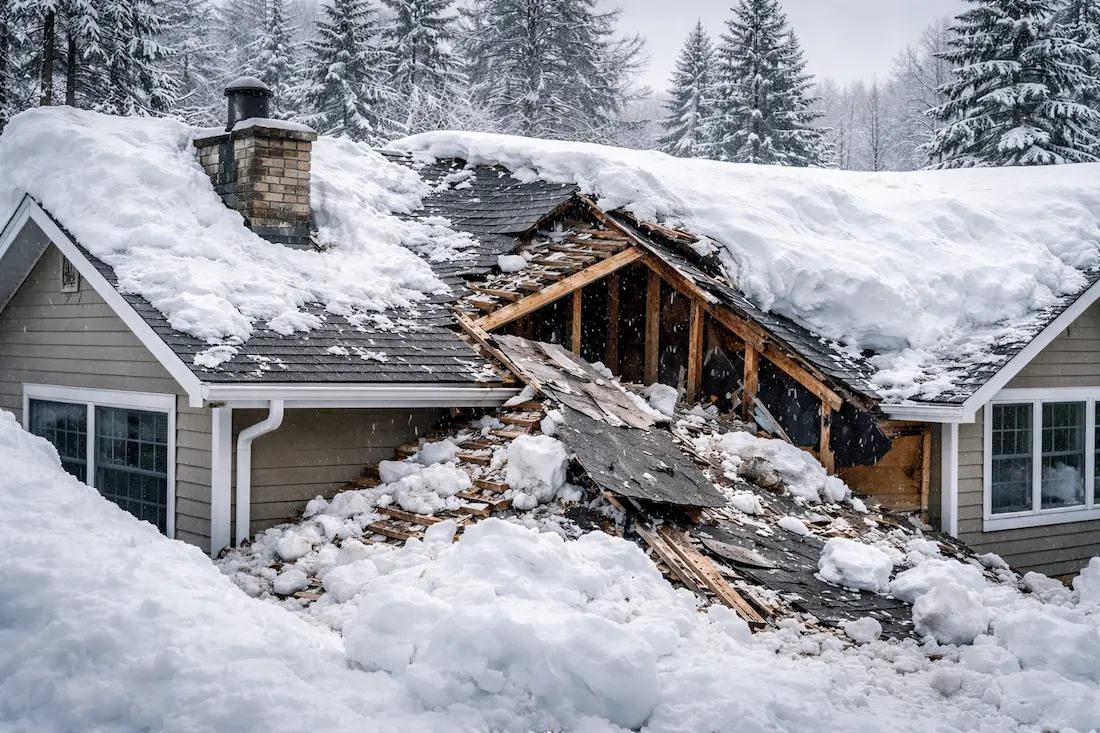
After a big storm in Reno, NV, it is normal for homeowners to look up at their roof and wonder if it can handle the weight. A roof collapse from snow is not common, but it can happen under the right conditions. Heavy snowfall, drifting, and repeated freeze thaw cycles in Northern Nevada can increase snow weight on a roof and place stress on the structure below.
Scott Roofing has served Reno homeowners and Sparks homeowners since 1948 and understands how Sierra snowstorms and high elevation roofing conditions impact roof performance. In this guide, we will explain snow load on roof concerns, roof snow load limits, warning signs of roof collapse, and when to call a professional roofer for an inspection.
What Does Roof Collapse From Snow Mean?
Roof collapse from snow happens when the snow load on roof surfaces exceeds what the roof structure can safely carry. The roof system includes rafters or trusses, decking, and supports designed to meet local snow load requirements in Reno. When snow accumulation on roof surfaces becomes too heavy, especially if it is wet and compacted, the structure can begin to flex, sag, or in rare cases fail.
Most Washoe County homes are built with local conditions in mind. However, risk can be higher for older homes, flat or low slope roofs, buildings with existing damage, or roofs that have not been inspected in years.
How Much Snow Can a Roof Hold in Reno?
Homeowners often ask, how much snow can a roof hold? The safest answer is that it depends on the design of the home and the type of snow. Snow weight on roof surfaces can vary widely. Light, powdery snow weighs far less than dense, wet snow. After multiple freeze thaw cycles in Northern Nevada, snow can compact and become much heavier than it appears.
Roof pitch matters, too. Steeper roofs shed snow more easily, while flatter roofs tend to hold snow and develop deeper accumulation. Wind can also cause drifting that places extra snow weight on roof sections near valleys, roof transitions, or along one side of the structure. Uneven loading is often more concerning than total depth alone.
If you are unsure whether your roof is approaching its roof snow load limits, a professional roof inspection can provide clarity and peace of mind.
Warning Signs of Roof Collapse
Structural stress usually shows signs before a roof fails. If you notice any of the following warning signs of roof collapse, it is important to take them seriously:
Visible roof sagging from snow or a dip along the ridgeline. New ceiling cracks or drywall separation. Doors or windows suddenly sticking. Unusual creaking, popping, or shifting sounds. New water stains that appear after a snowstorm. Bowing or shifting walls in severe cases.
Roof sagging from snow is one of the clearest indicators of roof stress from snow load. If you see sagging or hear structural sounds, avoid going into attic spaces or climbing onto the roof. Contact a professional roofer for an emergency roof inspection.
When Should You Remove Snow From Your Roof?
In some situations, snow removal can reduce risk, especially on flat roofs or buildings with known structural concerns. However, removing snow yourself can be dangerous. Slippery surfaces and hidden ice increase fall risk, and improper tools can damage roofing materials.
If you are concerned about heavy snow roof damage or roof structural damage from snow, the safest approach is to schedule an inspection. A qualified local roofing contractor can determine whether removal is necessary and recommend the safest next steps.
Does Home Insurance Cover Roof Collapse From Snow?
Does home insurance cover roof collapse from snow? In many cases, homeowners insurance may help if the collapse is sudden and caused by a covered weather event. Coverage depends on your policy and the condition of the roof. Insurance may not cover damage tied to long term deterioration or lack of maintenance.
If you experience roof damage after snowstorm conditions, documentation matters. A professional inspection can help identify the cause, assess severity, and provide written findings that may support an insurance claim.
How Northern Nevada Weather Affects Roof Risk
Winter conditions in Reno, NV and Sparks, NV are unique. Snowstorms can dump accumulation quickly, then intense sun exposure melts and refreezes it. These freeze thaw cycles in Northern Nevada can lead to ice buildup, shifting snow loads, and added stress on vulnerable roof areas.
High elevation roofing also experiences stronger winds and larger temperature swings, which can weaken roofing components over time. If a roof already has compromised decking, aging materials, or ventilation issues, snow accumulation on roof surfaces may create higher risk than homeowners realize.
Why Professional Roof Inspections Matter After Heavy Snow
A professional inspection is one of the best ways to prevent roof collapse from snow. An experienced roofer can evaluate the roof structure, look for subtle signs of roof stress from snow load, and check common problem areas where snow and ice collect.
Even if everything looks normal from the ground, hidden issues can exist. A trained inspector can identify early roof structural damage from snow, drainage concerns, and areas where weight is concentrating. This is especially valuable for Washoe County homes that are older or have experienced prior roof repairs.
Plan Ahead Instead of Waiting for Structural Failure
If you have concerns about roof snow load limits or you are seeing warning signs, do not wait for the problem to get worse. Early inspection and targeted repairs are usually far less expensive than major structural work after a failure.
Scott Roofing has helped homeowners across Northern Nevada protect their homes through honest inspections, clear recommendations, and dependable workmanship. If you are worried about snow load on roof performance or potential roof damage after snowstorm conditions, a professional roof inspection can help you move forward with confidence.
For all your roofing needs in Reno, Scott Roofing provides professional roofing services to residential and commercial property. For more information contact Scott Roofing at 775-331-5090.